

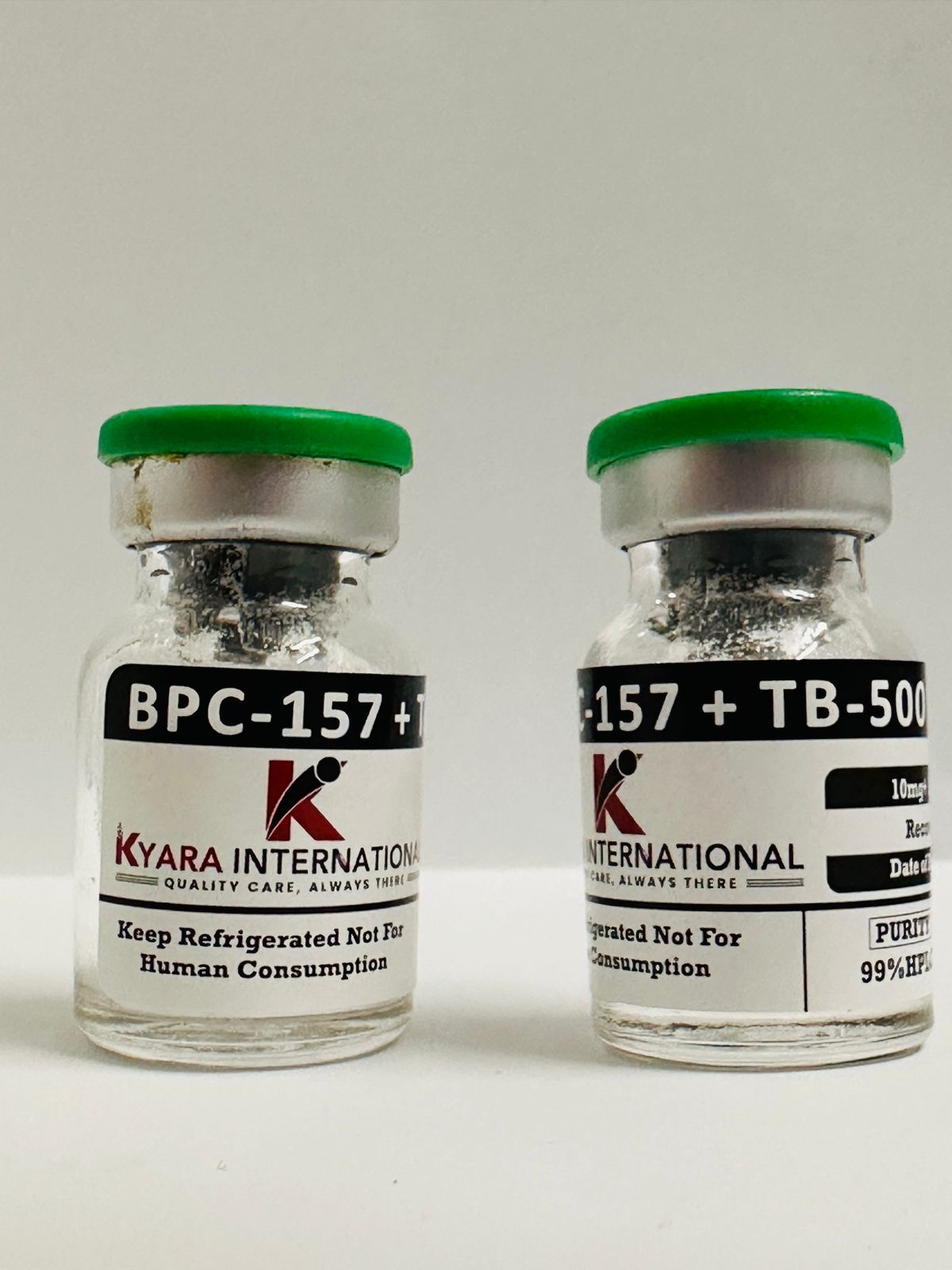
In the world of advanced recovery and regenerative health, two peptides are dominating conversations among athletes, biohackers, and wellness experts: BPC-157 and TB-500. Known for their powerful healing and tissue-repair abilities, these compounds are often used together as a synergistic stack to accelerate recovery and improve overall performance.
But what makes this combination so effective—and why do many consider it superior to traditional medications?
Let’s dive into this comprehensive, SEO-optimized guide.
What Are BPC-157 and TB-500?
🔬 BPC-157 (Body Protection Compound-157)
BPC-157 is a synthetic peptide derived from a protein found in the stomach. It’s best known for its ability to:
- Accelerate healing of muscles, tendons, and ligaments
- Protect the gut lining
- Reduce inflammation
- Support nerve regeneration
🔬 TB-500 (Thymosin Beta-4 Fragment)
TB-500 is a synthetic version of a naturally occurring peptide involved in:
- Cell migration and repair
- Blood vessel formation (angiogenesis)
- Muscle recovery and flexibility
Why BPC-157 + TB-500 Is Better Than Other Medications
1. Targets Root Cause, Not Just Symptoms
Most conventional medications (like painkillers or anti-inflammatories) mask symptoms.
This peptide stack works at the cellular level, promoting actual healing and regeneration.
2. Synergistic Healing Power
When used together:
- BPC-157 focuses on localized healing (injuries, gut, ligaments)
- TB-500 works systemically, enhancing overall recovery
This creates a whole-body repair system that’s far more effective than single treatments.
3. Faster Recovery Times
Users often report:
- Quicker muscle recovery after workouts
- Faster healing from injuries
- Reduced downtime
This makes the stack popular among athletes and fitness enthusiasts.
4. Reduced Inflammation Without Harsh Drugs
Unlike NSAIDs or steroids, these peptides may reduce inflammation without damaging the gut, liver, or kidneys.
5. Supports Multiple Systems
Beyond injury repair, this stack may help:
- Improve joint mobility
- Enhance muscle growth environment
- Support gut health (BPC-157)
- Improve circulation (TB-500)
How to Use BPC-157 and TB-500
⚠️ Important: These peptides are still under research and are not widely approved for general medical use. Always consult a healthcare professional.
💉 Administration Method
Both peptides are typically administered via:
- Subcutaneous injection (under the skin)
- Occasionally intramuscular (for targeted injuries)
📅 Typical Usage Protocol
BPC-157
- Daily injections
- Often targeted near injury site
- Cycle: 2–6 weeks
TB-500
- 2–3 times per week (loading phase)
- Then reduced frequency (maintenance phase)
- Cycle: 4–8 weeks
🔄 Stacking Strategy
- Use both peptides simultaneously for enhanced results
- Maintain consistent dosing schedule
- Combine with proper nutrition and rest
Side Effects of BPC-157 and TB-500
These peptides are generally well-tolerated, but side effects can occur.
Common Side Effects
- Mild injection site irritation
- Temporary fatigue
- Headaches
Less Common Effects
- Dizziness
- Nausea
- Appetite changes
Potential Risks
- Lack of long-term human studies
- Risk of improper dosing or contamination (if sourced poorly)
Who Should Consider This Peptide Stack?
This combination may benefit:
- Athletes recovering from injuries
- Individuals with chronic joint or tendon issues
- People seeking faster recovery from workouts
- Those dealing with gut health issues (BPC-157)
Who Should Avoid It?
- Pregnant or breastfeeding individuals
- People with serious medical conditions without supervision
- Anyone seeking FDA-approved, clinically established treatments
BPC-157 vs TB-500 vs Traditional Treatments
| Feature | BPC-157 | TB-500 | Traditional Medications |
|---|---|---|---|
| Healing Focus | Localized | Systemic | Symptom relief |
| Anti-Inflammatory | Yes | Yes | Yes |
| Regeneration | Strong | Strong | Minimal |
| Side Effects | Low | Low | Moderate–High |
| Mechanism | Cellular repair | Cell migration | Chemical suppression |
Final Thoughts: Are BPC-157 and TB-500 the Future of Recovery?
The combination of BPC-157 and TB-500 represents a new frontier in regenerative health. Instead of simply managing pain or inflammation, these peptides aim to heal the body from within.
While early research and anecdotal evidence are promising, it’s important to approach them with caution and proper medical guidance, as long-term safety data is still evolving.
If future studies confirm their effectiveness, this peptide stack could revolutionize how we approach injury recovery, performance optimization, and overall wellness.