

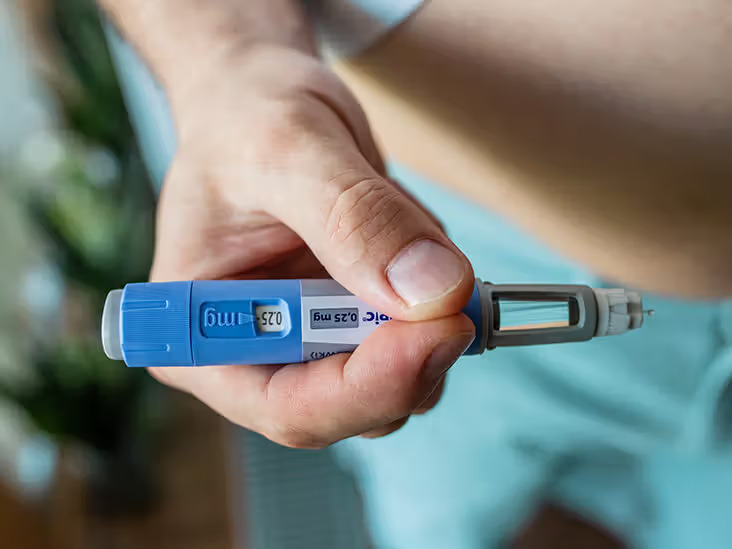
Semaglutide has emerged as a groundbreaking, FDA-approved medical breakthrough for chronic weight management. Operating as a GLP-1 (glucagon-like peptide-1) receptor agonist, it effectively regulates appetite, enhances metabolic function, and promotes sustained fat loss when paired with a low-calorie diet and increased physical activity.
However, achieving optimal results while minimizing gastrointestinal side effects requires a strict adherence to a structured semaglutide weight loss dosage chart. This comprehensive guide breaks down the standard titration schedule, compounded variations, injection best practices, and safety protocols.
What is Semaglutide and How Does It Work?
Semaglutide is the active pharmaceutical ingredient found in several widely recognized brand-name medications. It acts by mimicking the natural GLP-1 hormone released by the body after eating, working through several physiological mechanisms:
- Appetite Suppression: It targets the brain regions responsible for regulating hunger and food intake, significantly reducing cravings for high-calorie, processed foods.
- Delayed Gastric Emptying: It slows down the rate at which your stomach empties, prolonging sensations of fullness and satiety.
- Adipose Tissue Browning: Emerging research indicates that semaglutide stimulates “adipose tissue browning.” This process converts energy-storing white fat into energy-burning brown fat, accelerating metabolic rate and improving insulin sensitivity.
Brand Names and FDA Approvals
While all contain semaglutide, these medications are approved for distinct clinical indications:
- Wegovy®: The specific formulation FDA-approved for chronic weight management. It is indicated for adults with a Body Mass Index (BMI) of $30\text{ kg/m}^2$ or greater (obesity), or $27\text{ kg/m}^2$ or greater (overweight) accompanied by at least one weight-related comorbidity (e.g., hypertension, high cholesterol, type 2 diabetes). Clinical trials demonstrate that a weekly 2.4 mg dose can yield an average of 14.9% to 17.4% body weight loss.
- Ozempic®: An FDA-approved subcutaneous injection engineered to manage blood glucose levels in adults with type 2 diabetes and reduce major cardiovascular risks. It is frequently prescribed off-label for weight loss.
- Rybelsus®: The first FDA-approved oral tablet formulation of semaglutide, utilized primarily to improve glycemic control in type 2 diabetes.
The Standard Semaglutide Weight Loss Dosage Chart
To mitigate adverse gastrointestinal events, semaglutide must be introduced via a gradual escalation schedule known as titration. This allows the body to build tolerance to the medication over several months.
Official Wegovy® Weekly Titration Schedule
| Phase | Weeks | Weekly Dosage | Primary Objective |
| Starting Dose | Weeks 1–4 | 0.25 mg | Introduces the drug to the system; minimizes initial side effects. |
| Titration Phase 1 | Weeks 5–8 | 0.5 mg | Steps up the dose as metabolic tolerance develops. |
| Titration Phase 2 | Weeks 9–12 | 1.0 mg | Maximizes early-stage weight loss progression. |
| Maintenance Dose 1 | Weeks 13–16 | 1.7 mg | Establishes long-term therapeutic weight management. |
| Max Maintenance Dose | Week 17+ | 2.4 mg | The definitive therapeutic ceiling for chronic weight loss. |
Crucial Dosing Considerations
- Managing Intolerance: If a dose escalation triggers severe side effects, consult your healthcare provider. They may recommend delaying the next step up for an additional 4 weeks.
- Adjusting Maintenance Levels: If the maximum 2.4 mg dose proves intolerable, your physician may permanently adjust your maintenance dose down to 1.7 mg once weekly.
Compounded Semaglutide Dosage Chart
Many patients utilize custom-tailored compounded semaglutide prepared by specialized compounding pharmacies. Because these formulations are individualized, the concentration and exact dosing protocols can fluctuate based on the specific pharmacy and prescribing physician.
Example Compounded Dosage Schedule
- Starting Dose (Weeks 1–5): 0.2 mg to 0.3 mg once weekly.
- Titration Phase 1 (Weeks 6–10): 0.4 mg to 0.6 mg once weekly.
- Titration Phase 2 (Weeks 11–15): 0.9 mg to 1.1 mg once weekly.
- Maintenance Phase (Weeks 16+): 1.6 mg to 1.9 mg weekly, scaling up to a maximum therapeutic threshold of 2.5 mg weekly if tolerated.
Note: Exact volumetric measurements (in milliliters or units on a syringe) depend entirely on the concentration of the compounded solution. Always follow the explicit instructions printed on your prescription label.
How to Administer Semaglutide Safely
Semaglutide is administered via a subcutaneous injection (just beneath the skin) once a week, on the same day each week, at any time of day, with or without food.
Injection Sites
The optimal anatomical areas for subcutaneous injection include:
- Abdomen: At least 2 inches away from the belly button.
- Thigh: The front or outer aspect of the upper thigh.
- Upper Arm: The back aspect of the upper arm.
Tip: Rotate your injection sites weekly to minimize localized skin irritation, bruising, or discomfort.
Step-by-Step Administration Protocol
- Preparation: Gather your medication pen or syringe, a fresh needle, and an alcohol swab. Wash your hands thoroughly.
- Sanitize: Cleanse your chosen injection site with the alcohol wipe and allow it to air-dry completely.
- Inject: Hold the syringe or pen device at a 90-degree angle to the skin. Insert the needle steadily and depress the plunger or activation button fully.
- Disposal: Safely discard used needles and syringes immediately into an approved sharps container.
Managing Missed or Delayed Doses
Missing a dose impacts the consistency of the drug in your system. Use the following clinical guidelines to stay on track:
- If missed for $\le$ 5 days: Take the missed dose as soon as you remember. Resume your regular weekly dosing schedule thereafter.
- If missed for $>$ 5 days: Skip the missed dose entirely. Take your next scheduled dose on your usual designated day. Do not take a double dose to compensate for a missed one.
- If 2 or more consecutive doses are missed: Contact your healthcare provider immediately. Your body may lose its adaptation to the drug, meaning you will likely need to restart the treatment at the initial 0.25 mg titration level to avoid severe gastrointestinal distress.
Understanding Side Effects and Safety Profiles
Like any advanced clinical intervention, semaglutide carries potential side effects that range from transient mild symptoms to rare, severe medical conditions.
Common Adverse Reactions
These mild symptoms typically present during the initial titration weeks and subside as the body adapts:
- Nausea and vomiting
- Diarrhea or constipation
- Abdominal discomfort and belching
- Fatigue and mild headaches
- Temporary, transient hair loss
Serious Risks and Contraindications
Discontinue use and seek emergency medical evaluation immediately if you experience signs of systemic allergic reactions (facial swelling, respiratory distress), severe persistent abdominal pain radiating to the back (pancreatitis), gallbladder issues, vision changes, or signs of severe hypoglycemia.
Black Box Warning: Semaglutide is strictly contraindicated in patients with a personal or family history of Medullary Thyroid Carcinoma (MTC) or Multiple Endocrine Neoplasia syndrome type 2 (MEN 2).
Actionable Tips to Maximize Weight Loss Results
To optimize the efficacy of your semaglutide protocol, implement these clinical lifestyle habits:
- Prioritize Dietary Quality: Center your meals around lean proteins, high-fiber vegetables, and whole foods. Protein intake helps preserve lean muscle mass during active fat loss.
- Maintain Hydration: Drink plenty of water throughout the day. Adequate hydration helps optimize metabolic processes and alleviates common GI side effects like constipation.
- Incorporate Resistance Training: Pair your treatment with a blend of cardiovascular exercise and strength training to maximize fat reduction while maintaining structural muscle tone.
- Track Clinical Biomarkers: Keep a detailed record of your weight changes, energy levels, and any side effects to share with your provider during follow-up appointments.
Frequently Asked Questions (FAQs)
What is the exact starting dose for semaglutide weight loss?
The standardized starting dose for weight loss management is 0.25 mg injected subcutaneously once a week for the first 4 consecutive weeks.
How long does it take to reach the maximum maintenance dose?
It takes a minimum of 16 weeks to progress through the titration schedule and reach the optimal 2.4 mg weekly maintenance dose by week 17. This timeline may be extended by your doctor if you experience tolerance issues.
Can my semaglutide dosage be customized to my individual needs?
Yes. Your healthcare professional will customize your dosage plan based on a variety of metrics, including your baseline BMI, age, hormonal health, nutritional status, weight plateaus, and overall tolerability to the compound.
What should I do if I accidentally exceed my recommended dose?
Taking an excessive dose can cause severe gastrointestinal distress, extreme nausea, continuous vomiting, and acute low blood sugar. If an overdose occurs, monitor your symptoms closely and contact your doctor or local poison control center immediately.