

Quality sleep has become one of the most valuable forms of modern health optimization. Better sleep affects everything—energy, recovery, focus, hormones, mood, and long-term wellbeing.
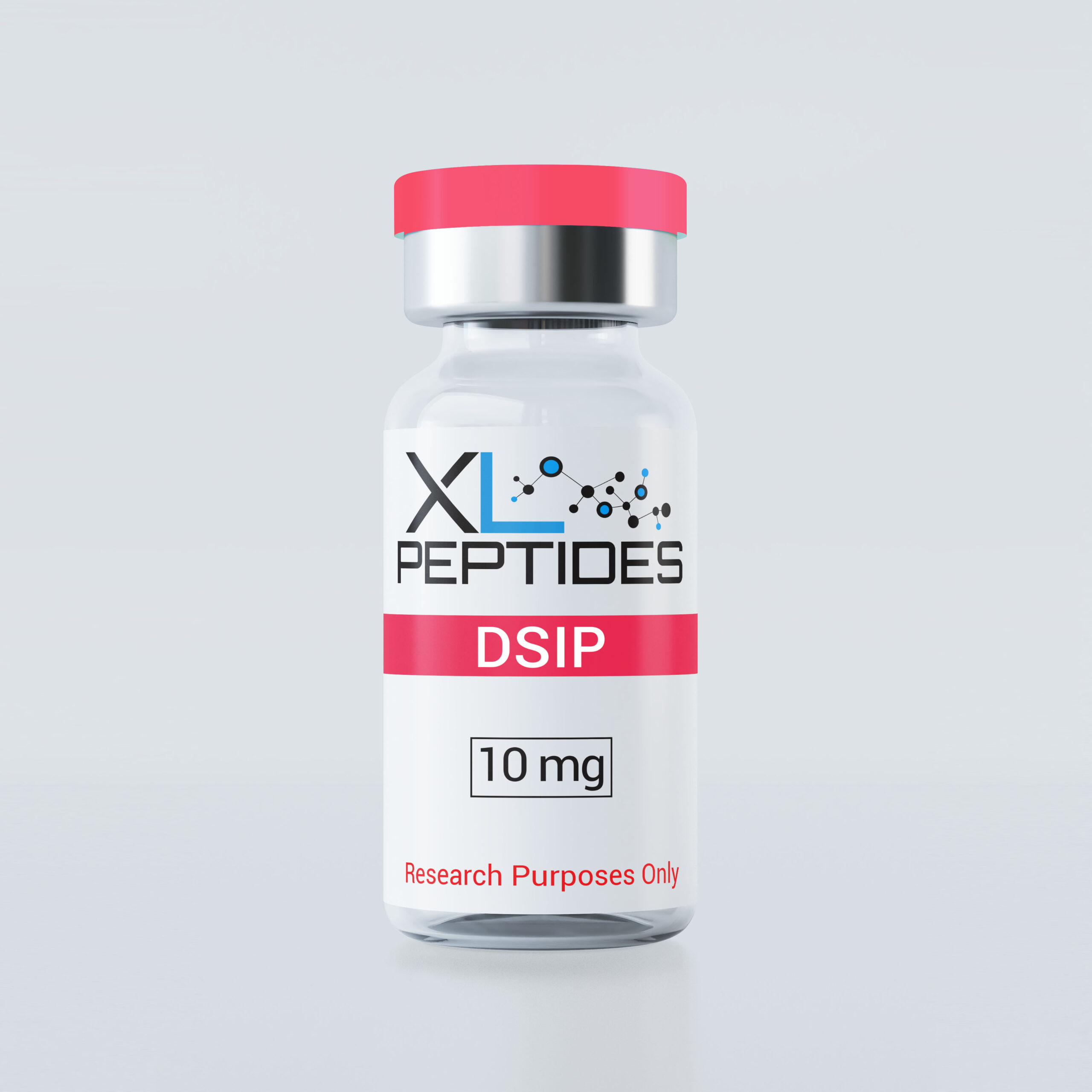
As interest in advanced wellness and peptide science grows, one compound continues to attract attention: DSIP.
Often called the Delta Sleep-Inducing Peptide, DSIP has become known for its potential role in supporting sleep quality, recovery, stress regulation, and overall restoration.
But what exactly is DSIP, and why are some people interested in it over traditional sleep medications?
Let’s take a closer look.
What Is DSIP?
DSIP (Delta Sleep-Inducing Peptide) is a naturally occurring peptide that has been studied for its relationship with:
- Sleep regulation
- Recovery processes
- Stress response
- Neuroendocrine balance
It was originally identified during research exploring mechanisms involved in sleep patterns and restorative processes.
Unlike conventional sleep aids that often work by broadly depressing nervous system activity, DSIP has generated interest because of its potential relationship with the body’s natural recovery pathways.
Why DSIP May Be Better Than Some Traditional Sleep Medications
Important note: DSIP is still an emerging area of research and is not a proven replacement for medically prescribed sleep treatments.
1. Focus on Sleep Quality, Not Just Sedation
Traditional sleep medications often aim to make people fall asleep faster.
DSIP attracts attention because it is discussed for potentially supporting:
- Natural sleep architecture
- Restorative sleep quality
- Recovery processes overnight
For many people, better sleep is not simply about sleeping longer—it’s about waking up feeling restored.
2. Interest in Morning Recovery and Reduced “Sleep Hangover”
Some conventional sleep medications may leave users feeling:
- Groggy
- Sluggish
- Mentally slow the next morning
DSIP has gained interest because people exploring peptide approaches often prioritize maintaining next-day function.
3. Potential Stress and Recovery Support
Sleep and stress are deeply connected.
DSIP has been investigated for potential effects related to:
- Recovery from physical stress
- Nervous system balance
- Rest and restoration
4. May Appeal to Performance-Oriented Users
Unlike products focused purely on sedation, DSIP discussions often include:
- Recovery optimization
- Sleep consistency
- Wellness support
This has contributed to interest among wellness and performance communities.
5. Different Mechanism Than Traditional Sleep Approaches
Many traditional sleep medications act directly on neurotransmitter systems to encourage sedation.
DSIP is studied more broadly in connection with biological regulation associated with sleep and recovery.
How to Use DSIP
⚠️ Important: DSIP is not broadly approved in many regions for general wellness or sleep enhancement. Clinical evidence remains limited.
Common Administration Approaches
Methods discussed in peptide settings may include:
- Subcutaneous administration
- Protocol-based use under supervision
Approaches vary significantly depending on goals and practitioner guidance.
Timing Matters
Sleep-support compounds are commonly explored using:
- Consistent timing
- Evening administration schedules
- Structured cycles rather than indefinite continuous use
Build a Complete Sleep Strategy
Even advanced interventions work best when combined with:
- Regular sleep schedule
- Reduced evening screen exposure
- Sleep-friendly environment
- Consistent exercise
- Balanced nutrition
Side Effects of DSIP
Current evidence remains limited, but reported experiences suggest possible side effects.
Commonly Reported Effects
- Mild drowsiness
- Temporary fatigue
- Relaxation or reduced alertness
Less Common Effects
- Headache
- Mild dizziness
- Temporary changes in sleep patterns
Unknown Long-Term Considerations
Because long-term data remains limited:
- Safety over extended periods is not fully established
- Effects may vary across individuals
- Product quality may differ substantially outside regulated settings
Who May Be Interested in DSIP?
DSIP is often discussed by people interested in:
- Recovery optimization
- Sleep support
- Wellness routines
- Stress management
- Performance and restoration
Who Should Avoid DSIP?
DSIP may not be appropriate for:
- Pregnant or breastfeeding individuals
- Children unless medically supervised
- Individuals with diagnosed sleep disorders without physician oversight
- Anyone replacing prescribed medication without medical advice
DSIP vs Traditional Sleep Approaches
| Feature | DSIP | Traditional Sleep Medications |
|---|---|---|
| Primary Goal | Recovery & sleep support | Sedation |
| Morning Grogginess | Under study | Can occur |
| Recovery Focus | Investigated | Variable |
| Long-Term Evidence | Limited | More established |
| Mechanism | Regulatory interest | Neurochemical sedation |
Final Thoughts: Is DSIP the Future of Sleep Optimization?
DSIP has become one of the more intriguing peptides in conversations around sleep quality, recovery, and restorative wellness.
Its appeal comes from the idea of supporting the body’s recovery systems rather than simply forcing sleep.
At the same time, enthusiasm should stay grounded in evidence. Research remains limited, and stronger human studies are needed before broad conclusions can be made.
For those interested in sleep optimization, the most reliable foundation remains: consistent sleep habits, recovery practices, and informed decision-making.