

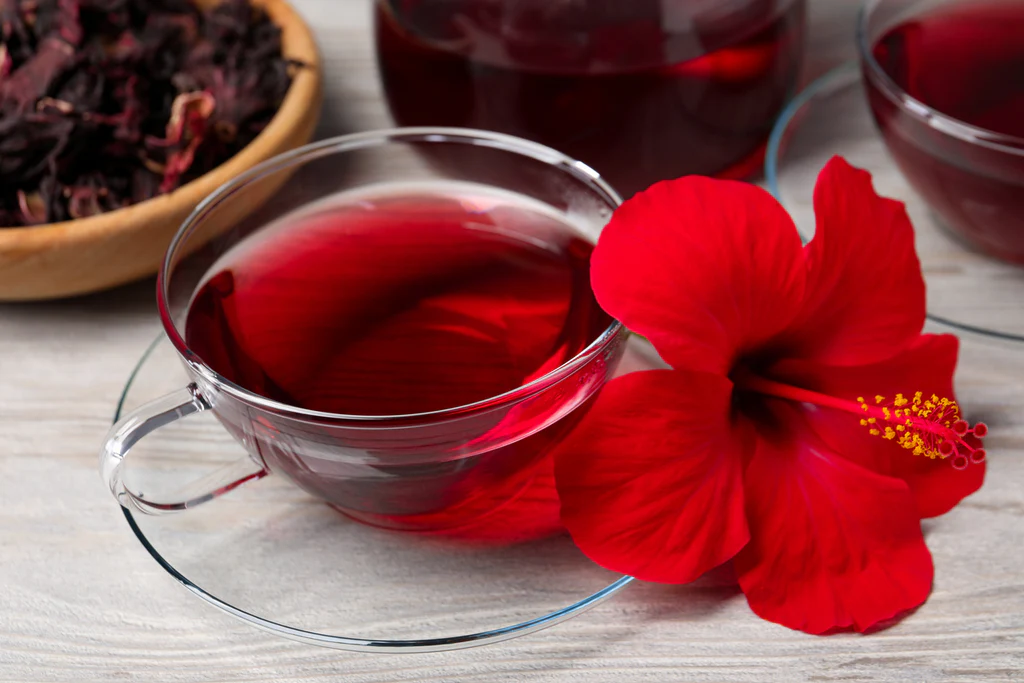
If flowers had superpowers, hibiscus would definitely be wearing a cape.
Bright red, slightly tart, and refreshingly bold, hibiscus flower (Hibiscus sabdariffa) is more than just a pretty plant used in teas and traditional drinks. Science now backs what many cultures have known for centuries: hibiscus can help manage blood pressure naturally — and it does it deliciously.
Let’s break down why this vibrant flower deserves a permanent spot in your wellness routine.
What Is Hibiscus?
Hibiscus sabdariffa is a flowering plant commonly used to make hibiscus tea, also known as sorrel, zobo, or karkadé in different parts of the world. The deep red calyces (flower parts) are packed with polyphenols, flavonoids, and anthocyanins — the same antioxidant compounds found in berries.
And yes, your blood vessels love them.
How Hibiscus Helps Lower Blood Pressure 🌺➡️📉
1. Acts Like a Natural ACE Inhibitor
Several studies show hibiscus works similarly to ACE-inhibitor medications, helping relax blood vessels and reduce pressure on arterial walls — without the pharmaceutical side effects for most people.
2. Rich in Potent Antioxidants
Hibiscus is loaded with anthocyanins, which:
- Reduce oxidative stress
- Protect blood vessel lining (endothelium)
- Improve vascular elasticity
Healthier vessels = smoother blood flow = better blood pressure.
3. Supports Nitric Oxide Production
Nitric oxide helps blood vessels dilate and relax, improving circulation and reducing systolic and diastolic blood pressure.
4. Mild Natural Diuretic Effect
Hibiscus helps the body gently eliminate excess sodium and water — easing pressure on the cardiovascular system.
What Does the Science Say?
Clinical studies consistently show that regular hibiscus tea consumption can reduce both systolic and diastolic blood pressure, especially in people with:
- Pre-hypertension
- Mild to moderate hypertension
In some trials, hibiscus tea performed as well as common blood pressure medications, making it one of the most researched herbal options for heart health.
Bonus Benefits (Because Hibiscus Overachieves)
🌿 Supports healthy cholesterol levels
🧬 Reduces inflammation
🍬 May help improve insulin sensitivity
🧠 Supports liver health
💧 Naturally caffeine-free
Basically, it’s multitasking while looking good doing it.
How to Use Hibiscus for Blood Pressure
Hibiscus Tea (Most Popular)
- Use dried hibiscus petals
- Steep 1–2 teaspoons in hot water for 5–10 minutes
- Drink 1–2 cups daily
💡 Tip: Drink it unsweetened or lightly sweetened with monk fruit or stevia to avoid blood sugar spikes.
Cold Brew (Perfect for Hot Days)
Hibiscus tastes amazing cold — tart, refreshing, and naturally energizing without caffeine.
Who Should Be Careful?
While hibiscus is generally safe, consult your healthcare provider if you:
- Are already on blood pressure medication
- Are pregnant or breastfeeding
- Have very low blood pressure
Hibiscus can enhance blood-pressure-lowering effects, which is great — unless it lowers it too much.
Final Verdict: Is Hibiscus Worth It?
Absolutely 🌺✔️
Hibiscus is one of the rare wellness tools that is:
- Scientifically backed
- Affordable
- Easy to use
- Enjoyable to drink
For anyone looking to support healthy blood pressure naturally, hibiscus isn’t just a pretty flower — it’s a powerful ally.
Sometimes, the best medicine really does grow on a plant.